
Our Approach
Receiving a diagnosis offers evidence that your difficulties are not simply laziness, lack of motivation or talent.
Beyond Diagnosis: Your Next Chapter
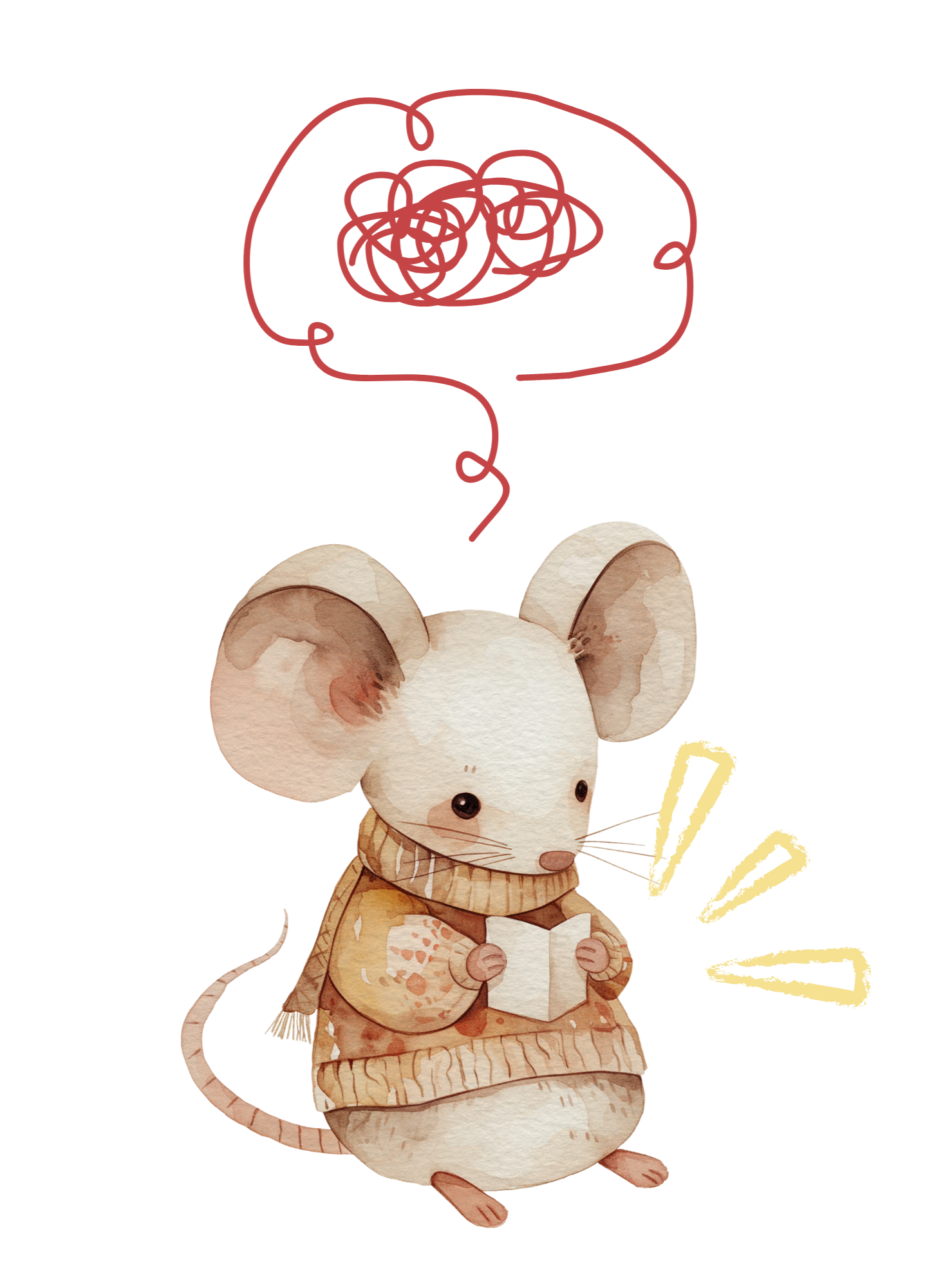
Post-diagnosis, individuals still need help with EVERYTHING surrounding diagnosis.
Importantly, understanding how their neurodivergence shows up in everyday life.
Someone can receive a diagnosis or medication where appropriate.
They might have therapy, reasonable adjustments, occupational health recommendations, even a needs assessment.
And then they're back in their actual life thinking:
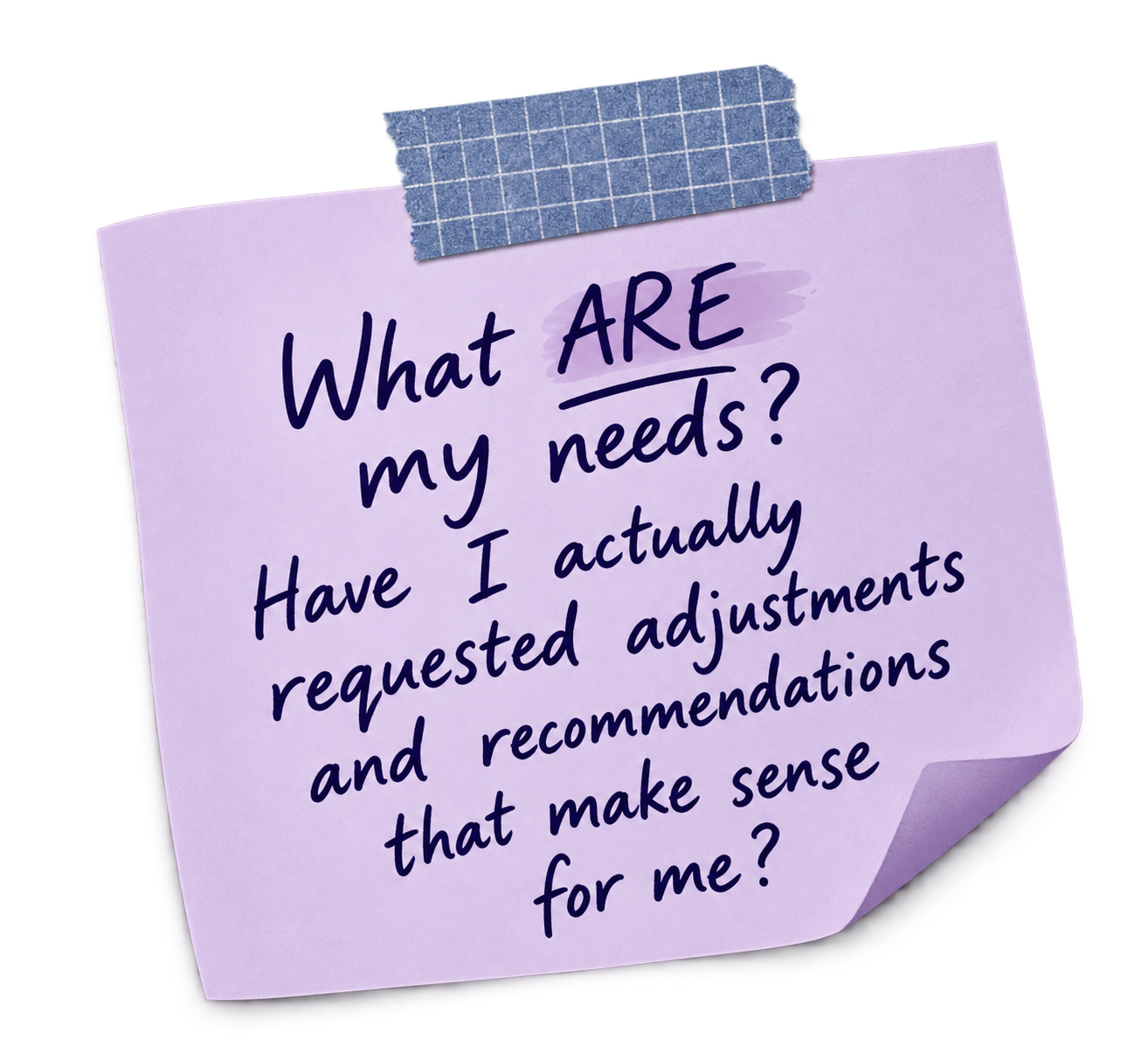
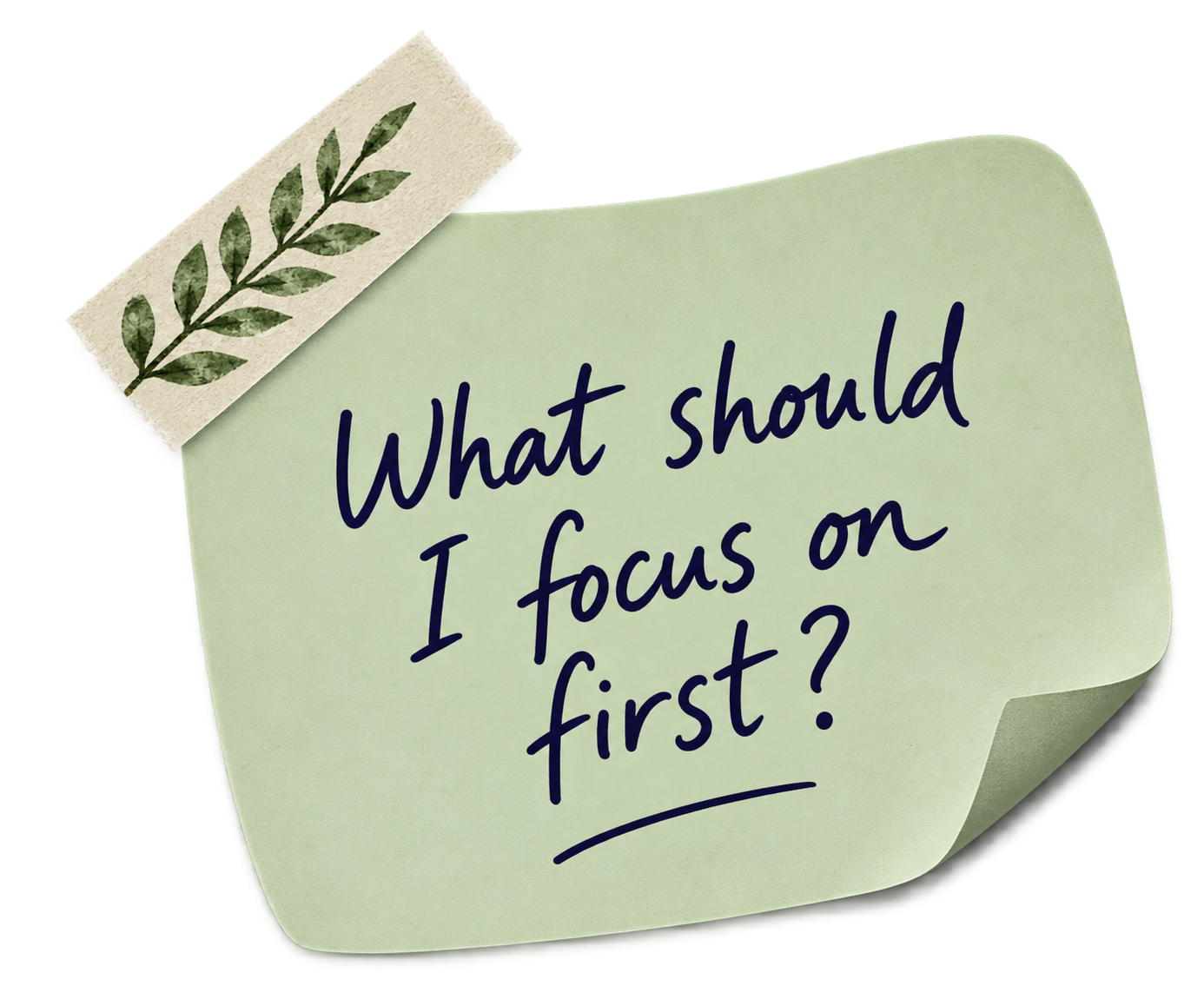
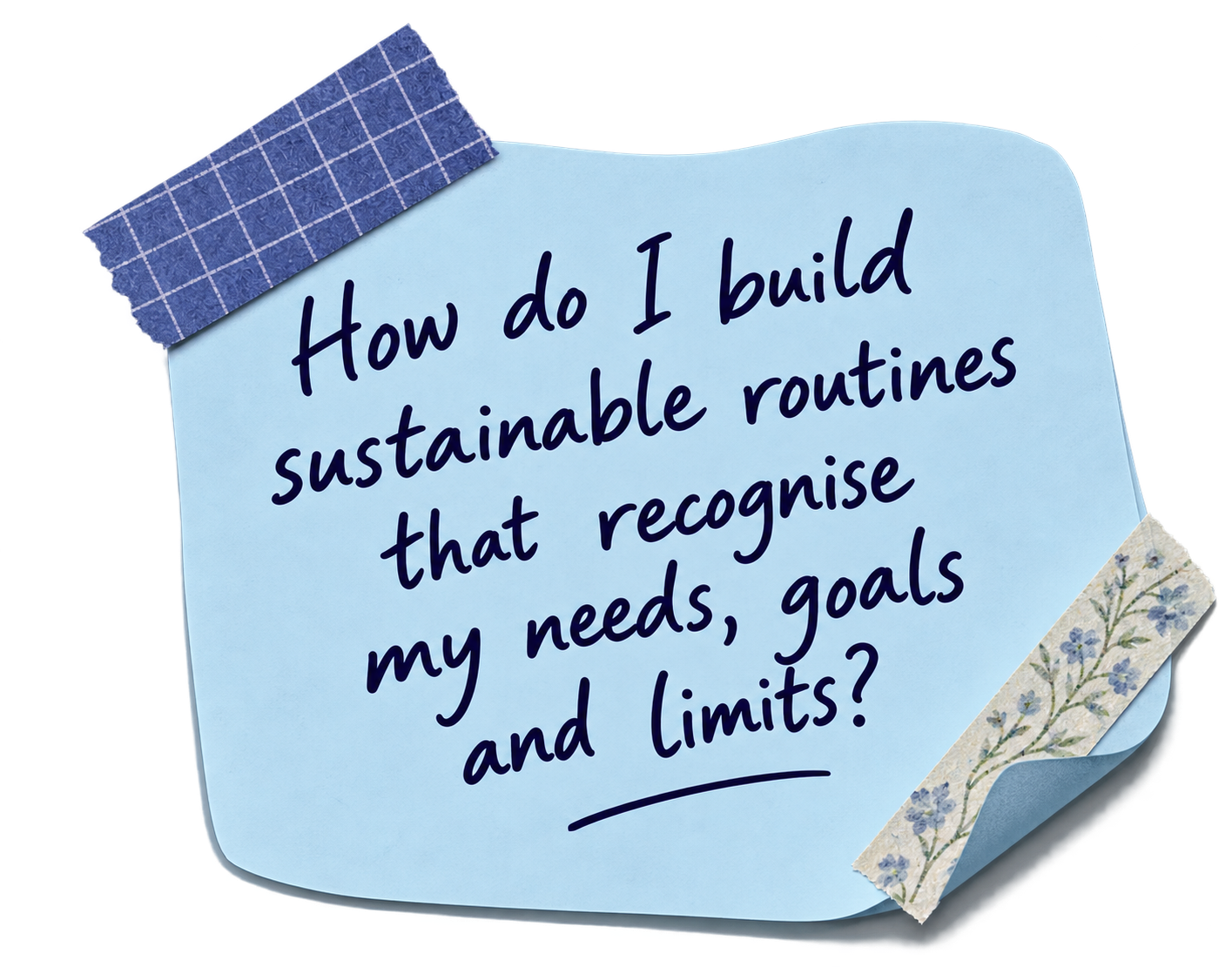
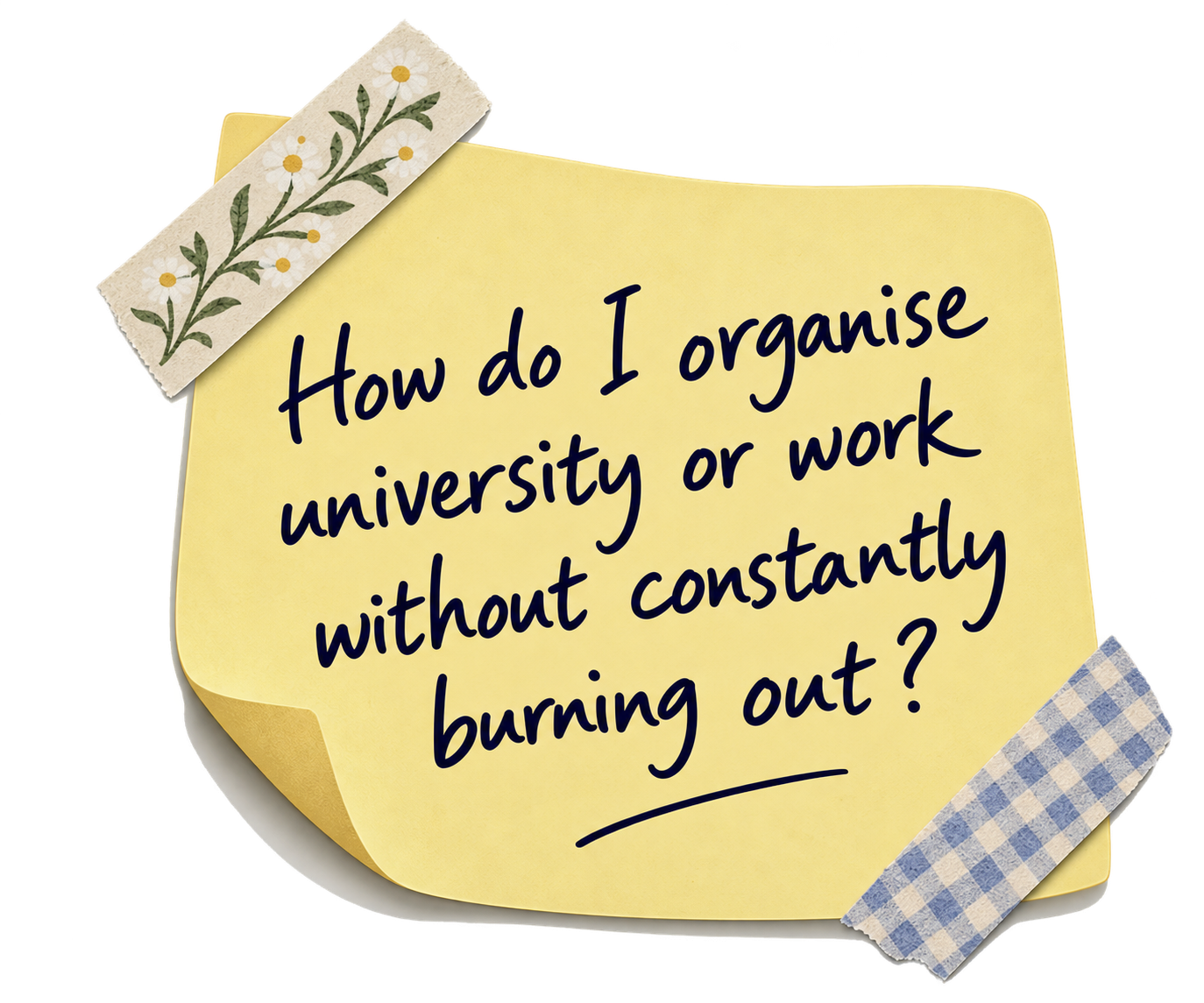
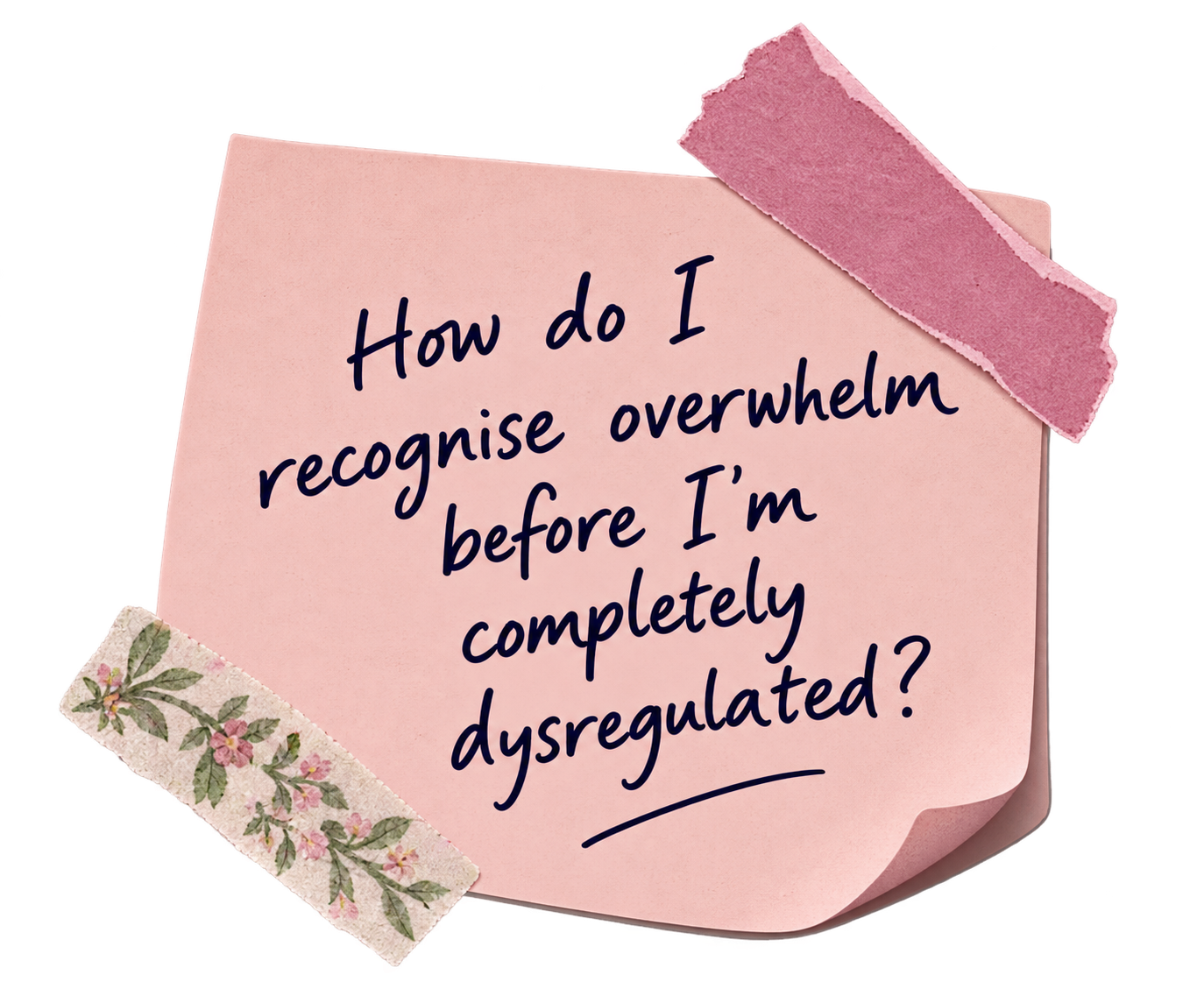
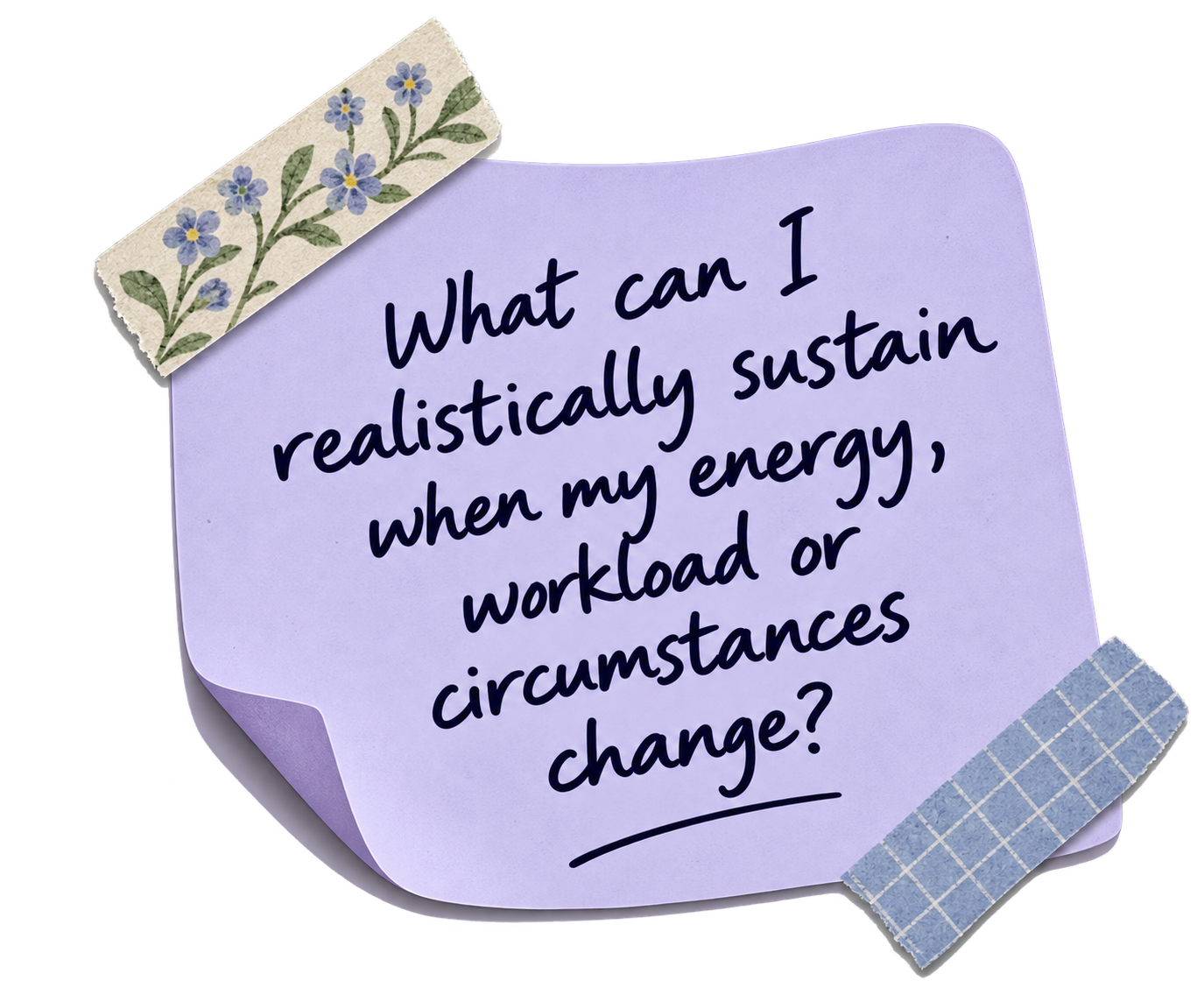
Brain Body Bloom trades cookie-cutter advice for guidance matched to your own individuality.
Bespoke Benefits
Developing self-awareness is an important part of individualising strategies.
I help someone understand the interaction between their brain, body, environment, and circumstances.
Less masking, greater honesty, curiosity without judgement, feeling safe enough to identify needs, experiment, get things wrong and adjust.
We work out what deserves attention first, turn that understanding or professional guidance into realistic changes, and then adapt those strategies when circumstances inevitably change.
Clients make changes themselves.
I provide the structure, knowledge, reflection, accountability and space to support that.
What can I expect from coaching?
There is no one-size-fits-all session structure.
What we focus on depends on your needs, priorities and what is happening in your life.
We might work through a specific challenge.
You can bring something you're struggling with, whether that's navigating a difficult conversation, making a decision, managing overwhelm or getting started on a project. Together, we'll explore what's getting in the way and identify realistic next steps.
We might explore a bigger goal.
For example, if you're considering career progression, we might explore your options, energy, resources and current circumstances before deciding what a realistic first step looks like.
We might plan your week together.
BBB approaches planning as an experiment, not a measure of compliance.
We don't just make a plan and hope it works. We explore what happened last week, anticipate what might get in the way, and use what we learn to make the next plan more realistic.
This can involve reviewing the previous week, mapping out responsibilities, identifying potential barriers and making space for rest, personal priorities and longer-term goals. Think of it as a dress rehearsal for the week ahead: an opportunity to anticipate challenges, experiment with strategies and build plans that feel manageable rather than overwhelming.
Between sessions
We may agree on small practical tasks, experiments or reflections to try between sessions. These aren't tests or another set of expectations to live up to — they're opportunities to learn what works for you and what needs adjusting.
A collaborative space
An important part of my approach is building a genuine, trusting working relationship where you can think aloud, explore ideas, be honest about what's difficult and make changes at your own pace.

Between sessions
We may agree on small practical tasks, experiments or reflections to try between sessions. These aren't tests or another set of expectations to live up to — they're opportunities to learn what works for you and what needs adjusting.
A collaborative space
An important part of my approach is building a genuine, trusting working relationship where you can think aloud, explore ideas, be honest about what's difficult and make changes at your own pace.